A | 新能源汽车、储能电站,都离不开它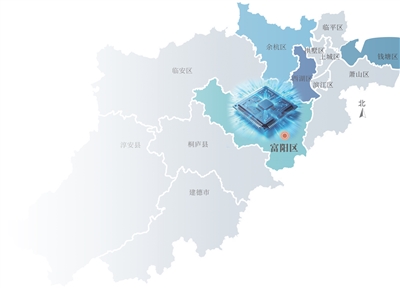 富阳正在打造“浙江光谷·富春芯城” 制图 高薇
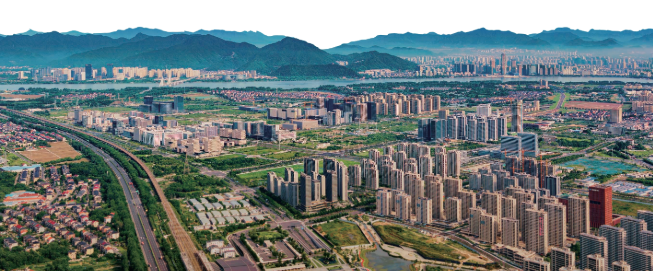 富春江畔的富阳8月6日起,都市快报推出《13天,点亮一座未来之城》系列报道,全景呈现杭州各区、县(市)特色发展路径,用13块“拼图”拼成一幅更高水平创新活力之城的新图景。 Kabul, Oct 15 (UNI) A year after banning most teenage girls from attending school, the Taliban are imposing sweeping restrictions on which courses women can enroll for in at public universities, a BBC report said.
The choice for female students can vary from university to university, and depending on which part of the country you're in, the BBC found. Women are allowed to take medicine and nursing in all provinces, as well as teacher training and Islamic studies.
But veterinary science, engineering, economics and agriculture appear off-limits to women nationwide, while opportunities to study journalism are extremely limited.
The militant group have said the correct "Islamic environment" needs to be created for older girls to be allowed back into schools. However, more than a year after they returned to power this still has not happened in most provinces, with reports suggesting hardliners in the group remain opposed to it.
Many girls did not get to complete their final year at school as girls were banned from high school by the Taliban after they seized power in August 2021, the BBC said.
The Taliban did, however, make the decision that girls who were in the last year of school could also sit university entrance exams.
This hope though appears short-lived with the limitations on the subjects being introduced for women only.
At several universities, the BBC report said, female students were given the option of taking a test in subjects such as nursing, midwifery or literature, which are among the courses on offer at the seven faculties open to them at Nangarhar, but not in journalism.
University professors who supervised the entrance examination there confirmed to the BBC that boys would be allowed to choose any subject they want.
Officials expect 100,000 students (including 30,000 women) were likely to take university entrance exams in Afghanistan this year, the BBC said.
The academic year starts either in March or August, and it usually takes two to three months for entrance exam results to be announced. Now, with the Taliban back in power, nobody is sure when the results will be released, the BBC reported.
Male and female students have been taking the exams separately - in line with Taliban rules on segregating students by gender - for example boys in the morning, girls in the afternoon or by using screens in exam halls. In some provinces where the candidate numbers were high, entrance exams were held over two or three days.
Activists told the BBC, the number of female students applying for university will fall dramatically in the coming years, unless the Taliban reopen secondary schools to girls from grades 6 to 12.
Taliban officials are downplaying the restrictions. Abdul Qadir Khamush, who heads the examinations division in the Ministry of Higher Education, says girls can choose their favourite subject, with the exception of just three or four.
"We need to provide separate classes for women. In some areas the number of female candidates are low. So we are not allowing women to apply for certain courses."
Officials are yet to reveal the number of university places on offer this year.
Afghanistan's education sector was badly affected after the Taliban takeover and there has been an exodus of trained academics after the withdrawal of US-led forces last year.
The country's economy has been largely dependent on foreign aid in recent decades, but aid agencies have partly - and in some cases fully - withdrawn support to the education sector after the Taliban refused to allow girls into all secondary schools.
Many of the teaching staff who remain go unpaid for months, the BBC reported.
Taliban restrictions on which subjects girls can study are not always uniformly applied across the country, the BBC discovered. For instance, in Kabul University, girls are still allowed on some courses in the journalism faculty.
But girls cannot circumvent the distance-rule. The Taliban have divided the country into a number of zones and girls are not allowed to study outside them, in what amounts to another very serious restriction based on sex, the BBC found.
UNI ING。

B | 第四天,点亮富阳区。富春江南岸,杭州富加镓业科技有限公司(以下简称“富加镓业”)的研发中心里,静得出奇,只有设备运转时发出的轻响。台子上摆着一排外形像“炼丹炉”的设备,里面“炼”着一种叫氧化镓的白色粉末。炉膛里的温度,高达1800℃。8个小时后,炉盖缓缓抬升,一个通体黝黑、形态匀整的圆锥状晶体出现在眼前,底部直径精准地卡在305毫米,也就是12英寸。今年3月,富加镓业首次研制出12英寸氧化镓单晶,刷新世界纪录,成为全球首家掌握这一技术的企业。“目前,国际上氧化镓衬底的最大尺寸是8英寸,冲12英寸,并不是简单的尺寸放大,而是生长技术的代际飞跃。

C | ”富加镓业副总经理黄浩天说。近日,富加镓业率先开展12英寸氧化镓MOCVD外延技术研发,成功将8英寸氧化镓MOCVD外延工艺首次外推至12英寸。这意味着,氧化镓芯片的“地基”做得更大了,未来能造出性能更强、成本更低的电力电子器件。为什么要造12英寸的?氧化镓是一种半导体材料,你可能没听说过它,但用它做出来的功率器件,能扛住更高的电压、承受更高的温度、损耗还更小,新能源汽车、储能电站、智能电网、数据中心,都离不开它。和目前最常用的半导体材料“硅”比起来,氧化镓就像个“特种兵”,更耐高温、更耐高压、性能更强。这个“特种兵”,特别难“伺候”。“氧化镓是单斜晶体结构,各向异性极强,生长过程中哪怕微小的参数扰动,都可能产生杂晶、引发开裂;尺寸越大,控制难度呈指数级上升。”黄浩天说。2019年,富加镓业落户富阳,团队只掌握2英寸小尺寸晶体的生长技术,距离最低6英寸衬底产业化的门槛,还有巨大的差距。“当时,氧化镓产业链在国内近乎空白,更少有企业布局外延、器件配套,美、日企业长期垄断高端衬底材料,对我国实施出口管制。”黄浩天说。怎么啃下这块硬骨头?团队在设计阶段就引入数值模拟技术,精准匹配氧化镓晶体的生长规律;同时,研发自主可控的生长装备,对炉内温场、气流、晶体运动状态实现了微米级的精度调控。无数次工艺调试之后,大尺寸单晶生长的技术瓶颈终于被突破。为什么12英寸这么重要?目前,主流的硅基生产线用的就是12英寸规格。氧化镓晶体长到12英寸,就可以直接“借用”现有的成熟产线,未来规模化量产之后,下游功率器件的制造成本会大幅降低。

D | 眼下,富加镓业国内首条6英寸氧化镓单晶及外延片生长线已具备量产能力,计划年底建成年产1万片6英寸的生产线。同时,富加镓业也在稳步推进8英寸量产、12英寸技术落地。从2英寸到12英寸,富加镓业用了不到7年时间。
Current article:http://tngtig.cesangrangshunzashuangruijiu.pics/9dh/20260826/532566.html
Published on:17:17:52